
Dummies
The complete documented dummy reaction set, from leg limping and arm wounds to staggering, fleeing, recovery and limb detachment.
Introduction
The training dummy is the centre of Ragdoll Reality. The official description says every hit is real and that dummies react exactly where you hit them, which makes body location the most important variable in the game. A leg hit produces limping or crawling, an arm hit leaves the limb dangling while the dummy holds the wound, and heavy damage can remove a limb entirely. The developer also documents dummies as able to stagger, fight back, flee and get back up, so a single knockdown does not end an encounter. This page collects those documented reactions and keeps them separate from details that only appear in community footage.
Documented Dummy Reactions
| Reaction | Trigger | What Players See | Status |
|---|---|---|---|
| Limp or crawl | Hit a leg | Movement slows and the dummy drags the damaged leg | Official |
| Hold the wound | Hit an arm | The arm dangles and the dummy clutches the injury | Official |
| Stagger | Heavy or explosive impact | The body stumbles and loses balance briefly | Official |
| Flee and recover | Damage without a finish | The dummy runs away and later gets back up | Official |
Dummy Reactions
Leg Hit
Limping or crawling A strike to the leg changes locomotion. The developer documents limping or crawling instead of a normal walk. A crawling dummy is also easier to keep in one place for repeat tests.
Arm Hit
Arm dangles, wound held An arm hit leaves the limb dangling while the dummy holds the wound, changing its silhouette. The wound-holding pose is one of the clearest confirmations that location matters.
Stagger
Heavy impact reaction The official real-physics section documents dummies stumbling when an impact is strong enough. A stagger is temporary, so treat it as a window for a follow-up hit or a Grab rather than a finished kill.
Flee and Recover
Runs away and gets back up Dummies can flee and later recover, so a knockdown is not always a finished kill. Track it before chasing, because a recovered dummy can re-enter the fight.
Core Mechanics
The dummy runs a location-based reaction system rather than a single health bar with one death animation. Each body part has its own response: legs affect movement, arms affect posture and reach, and heavy impacts affect balance. Dismemberment is a separate outcome, achievable through damage or through a direct grab-and-rip action, which is why Grab is treated as a core tool rather than a novelty. Recovery keeps encounters from ending too early, since a dummy that has been knocked down can get back up and continue. Bleeding and spurting wounds are documented as part of the damage model, adding a visual cue that an impact landed.
Advantages
Location-based reactions make the sandbox legible without a tutorial. You can see the result of a hit immediately, which is why the dummy works as a teaching tool for every weapon. Recovery and fleeing behaviour also create a moving target, so a session stays active rather than turning into target practice. Dismemberment adds a second layer of experimentation: once you understand limb damage, you can switch to Grab and test direct removal. For a new player, that combination produces a lot of discoverable behaviour from a single dummy. For a wiki, the same property is useful: a documented reaction can be checked by any player in a minute, so advice about limb damage stays testable instead of becoming folklore. The dummy is effectively a built-in training tool that the developer did not have to design a tutorial around.
Challenges
The system is documented qualitatively, not numerically. There are no published health pools, damage thresholds, bleed rates or limb-hit multipliers, so you cannot calculate how many hits a body part needs. Dummies that fight back and recover can also frustrate players who expect a static target. Infection adds another complication, because a dummy you were testing on can turn into a zombie after a bite. Finally, community footage shows effects that the official page never describes, and this wiki marks those as unconfirmed rather than mixing them into the documented list. A dummy that fights back can also interrupt a careful comparison, because the target moves and changes posture mid-test. Players who want clean data should reset the session or use a fresh dummy rather than chasing a fleeing body around the playground.
Frequently Asked Questions
How do you make a dummy limp?+
Can dummies fight back in Ragdoll Reality?+
Can you rip limbs off a dummy?+
Quick Tips
Change one variable per test. Hit the same leg with the same tool twice before switching, otherwise you cannot tell whether a new reaction came from the weapon or from accumulated damage. The dummy's location-based system rewards controlled comparisons rather than chaotic combos. Keep the dummy in the same spot and use the same approach angle, because a change in position can alter which body part the game registers as the hit location.
Watch the posture, not just the health. An arm hit changes how the dummy holds itself and what it can reach, which matters more than a hidden health value. Reading posture tells you when a follow-up hit will land cleanly and when the dummy is about to flee. Posture also tells you when the dummy is about to flee, which is the moment to stop a slow experiment and reset rather than chase it across the map.
Keep Grab on your bar. Dismemberment is a documented outcome and Grab is the direct route to it. Even if you prefer firearms, switching to Grab after a heavy hit lets you test whether a limb is already loose enough to remove without more damage. Even if the limb does not come off, the attempt shows whether the body part is damaged enough to change movement, which is useful information for the next weapon test.
Featured
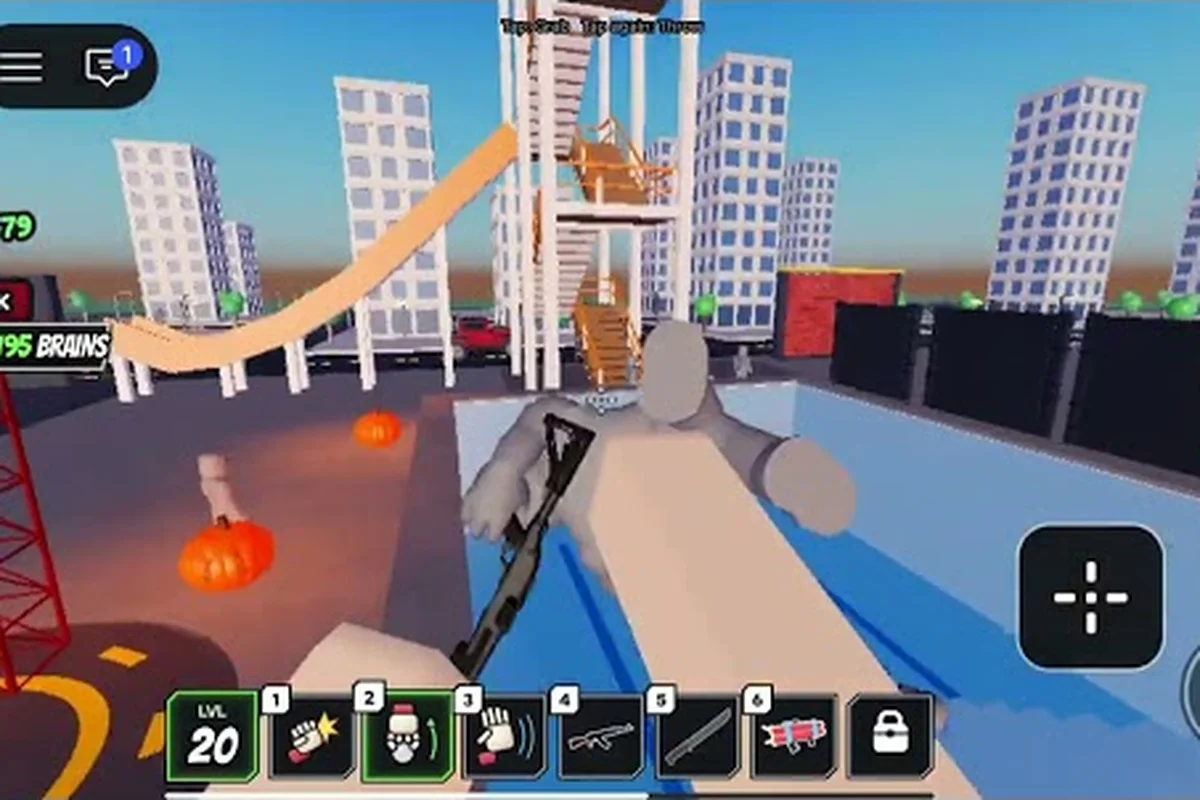
Ragdoll Reality How to Knock Out Dummies: Limb Tactics
Master ragdoll reality how to knock out dummies by striking the legs, torso, or head to trigger stumbling, crawling, and other physical reactions.
Ragdoll Reality All Dummies: Types and Reactions Explained
Explore ragdoll reality all dummies, comparing their location-based reactions, grab and throw behavior, dismemberment, and distinct physical responses.
Ragdoll Reality Dummy Blood: Wounds, Infection, and Dismemberment
Learn ragdoll reality dummy blood through location-based wounds, bleeding, limb separation, infection, and the impact-point reactions behind each injury.
All Articles
Ragdoll Reality Dummy Damage: Hitbox and Health Guide
Learn ragdoll reality dummy damage by targeting separate body parts, watching leg hits cause limping, and using grabs, throws, and dismemberment to test reactions.
Ragdoll Reality Dummy Stumble: 5 Target Zones Explained
Discover ragdoll reality dummy stumble reactions across the arms, legs, head, and torso, where precise impacts create distinct physics effects.
Ragdoll Reality Dummy Testing: Compare Sandbox Reactions
Compare Ragdoll Reality dummy testing results to see how impacts, grabs, throws, and dismemberment produce different reactions across body parts.
Ragdoll Reality Rip Dummy Limbs: Dismemberment Techniques
Learn ragdoll reality rip dummy limbs methods, combining grabs, throws, and targeted impacts to separate body parts and trigger brutal reactions.